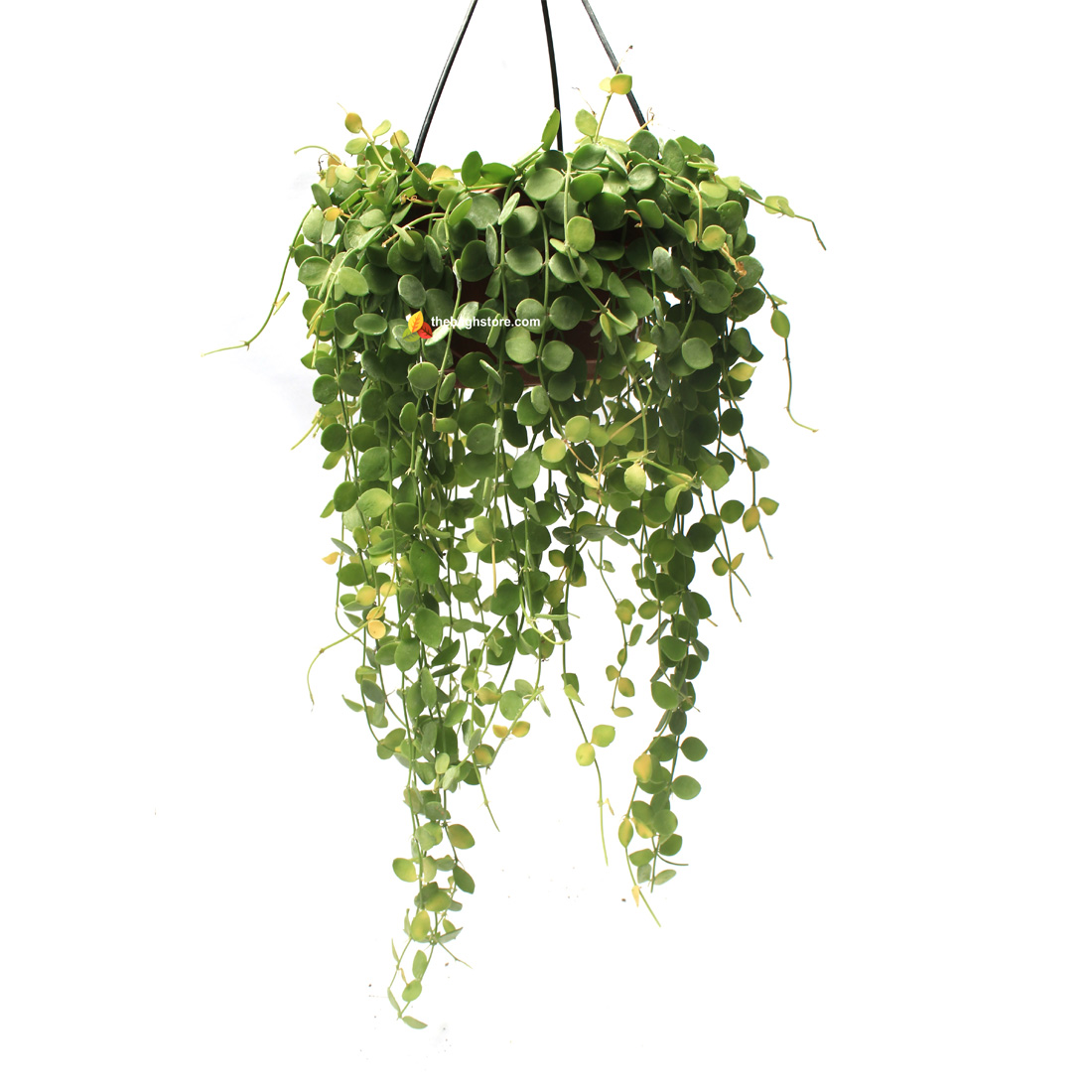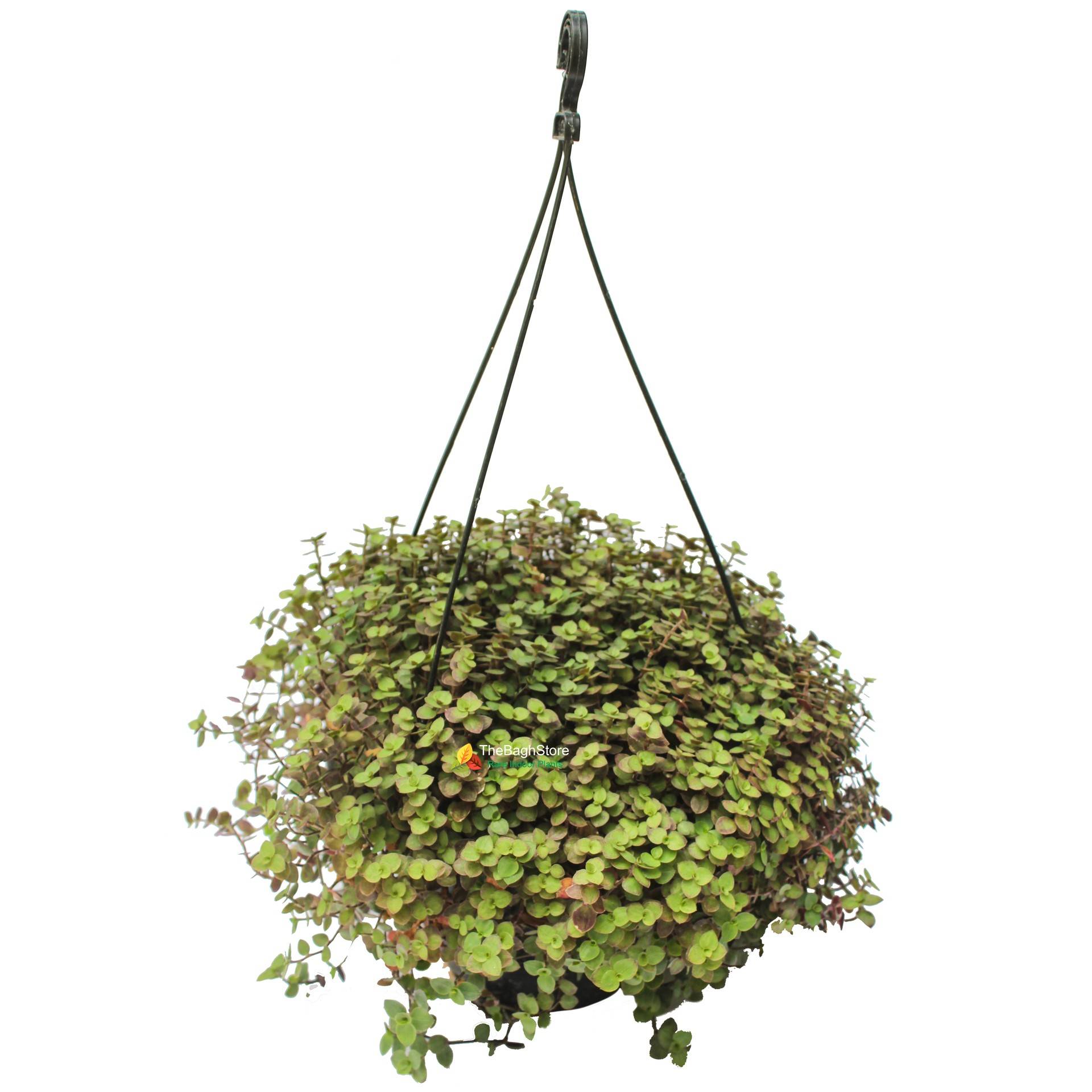
Dischidia Nummularia | String of NickelsIf you are looking for an unusually beautiful houseplant for you, then Dischidia Nummularia is the best for you! They are also known as String of Nickels due to the shape of their leaves. The String of Nickels is a pretty rare plant to find. They are extremely popular and are one of the best species of Dischidia for a fabulous houseplant!GeneralThe leaves are round in shape, resemble a long strand of coins, and spread up to eight to ten feet.Your Dischidia Nummularia is an Epiphytes or an air plant. In their native habitats, the String of Nickels attaches to trees, rocks, or other structures around them instead of growing on the ground.However, as Indoor houseplants, they can be trained to trail downward on the ground or climb upward like a vine. They look exquisite in a hanging basket or on a small table as well.SunlightYour Dischidia needs indirect light exposure or filtered sunlight for growth. Ensure your plant is placed in a location with bright indirect light.They can tolerate up to 2 hours of mild direct sunlight, preferably in the morning. Anything more can burn their leaves.The temperature must not go below 15 ℃ as your plant is intolerant to a colder climate. They also require high humidity (60%), so you can consider misting them.WateringLet the soil dry out a bit before you water your String of Nickles. Although, do not let the soil get completely dry, or the leaves and stems will shrivel.Being Epiphytes, your Dischidas are used to getting moisture from the air and dew, and thus, they cannot tolerate soggy soil.You can also submerge the chunky mix pot or the container in water till the air bubbles are gone completely.SoilYour Dracaena Colorama Plant grows well in a loamy soil. However, you can use any well-draining, neutral to acidic soil for them as well.FertilizerYour Dischidia Nummularia Plant does not require fertilizers regularly, although it can accelerate its growth.Fertilize your Strings of Nickel by diluting it with water once a month during the spring and summer months.Withhold the use of fertilizers during the cold winters.ToxicityThe stems and leaves of your Dischidia Nummularia plant contain sap that can cause skin irritation if exposed to the skin. They are not toxic when if ingested by pets or humans.Additional CareWatering your plant adequately is essential. If you overwater your plant, the roots will rot, and that can kill your Dischidia Nummularia.Your Dischidia requires misting at least four times a week. If the air is dry in your home, it may require misting every day.TroubleshootingLower leaf-loss: It can be due to low light or excessive watering- You can reduce the watering and place your plant under bright indirect light.Powdery Mildew: They destroy your plant's heavy foliage- Remove the affected areas and put your plant in a sunnier place by keeping the leaves dry.