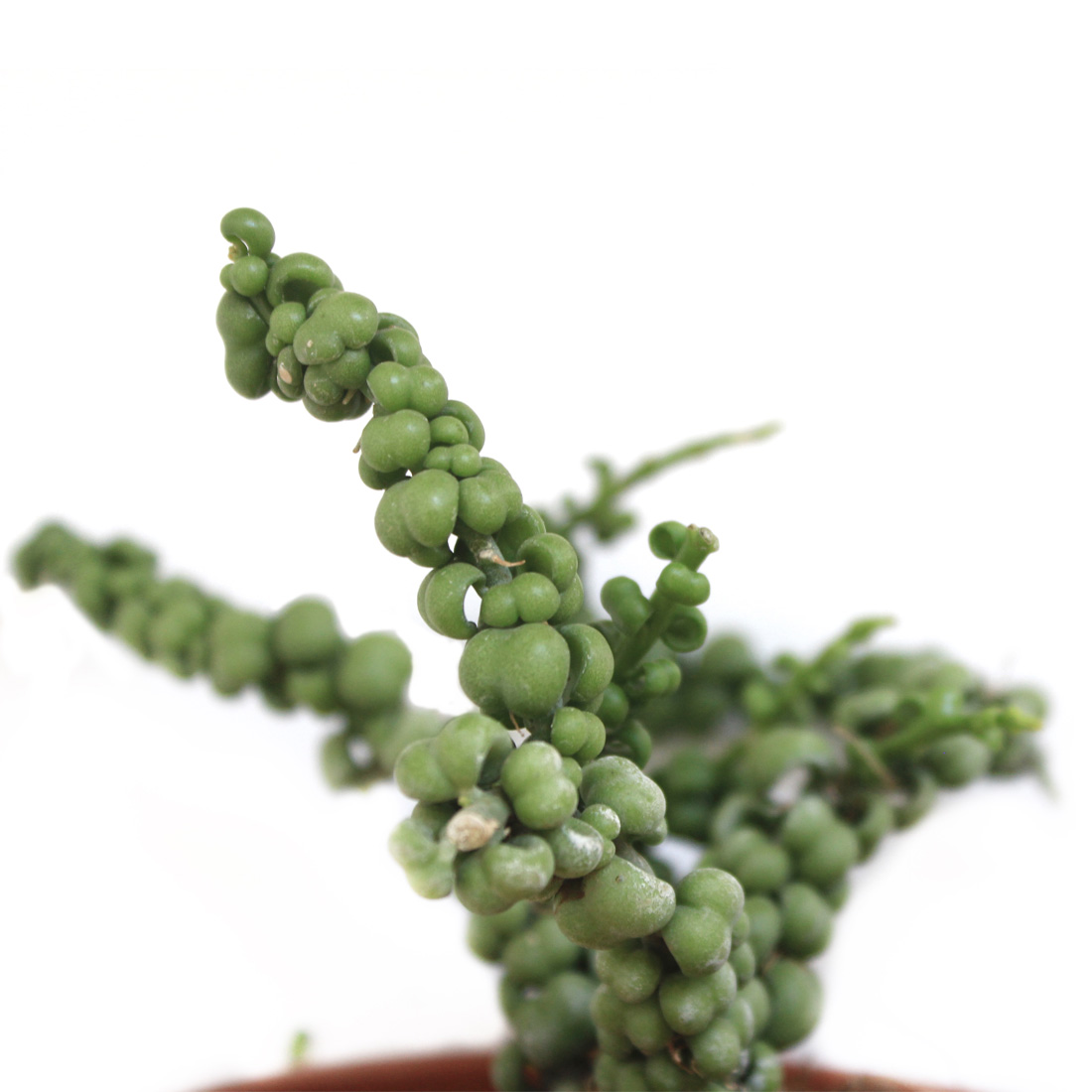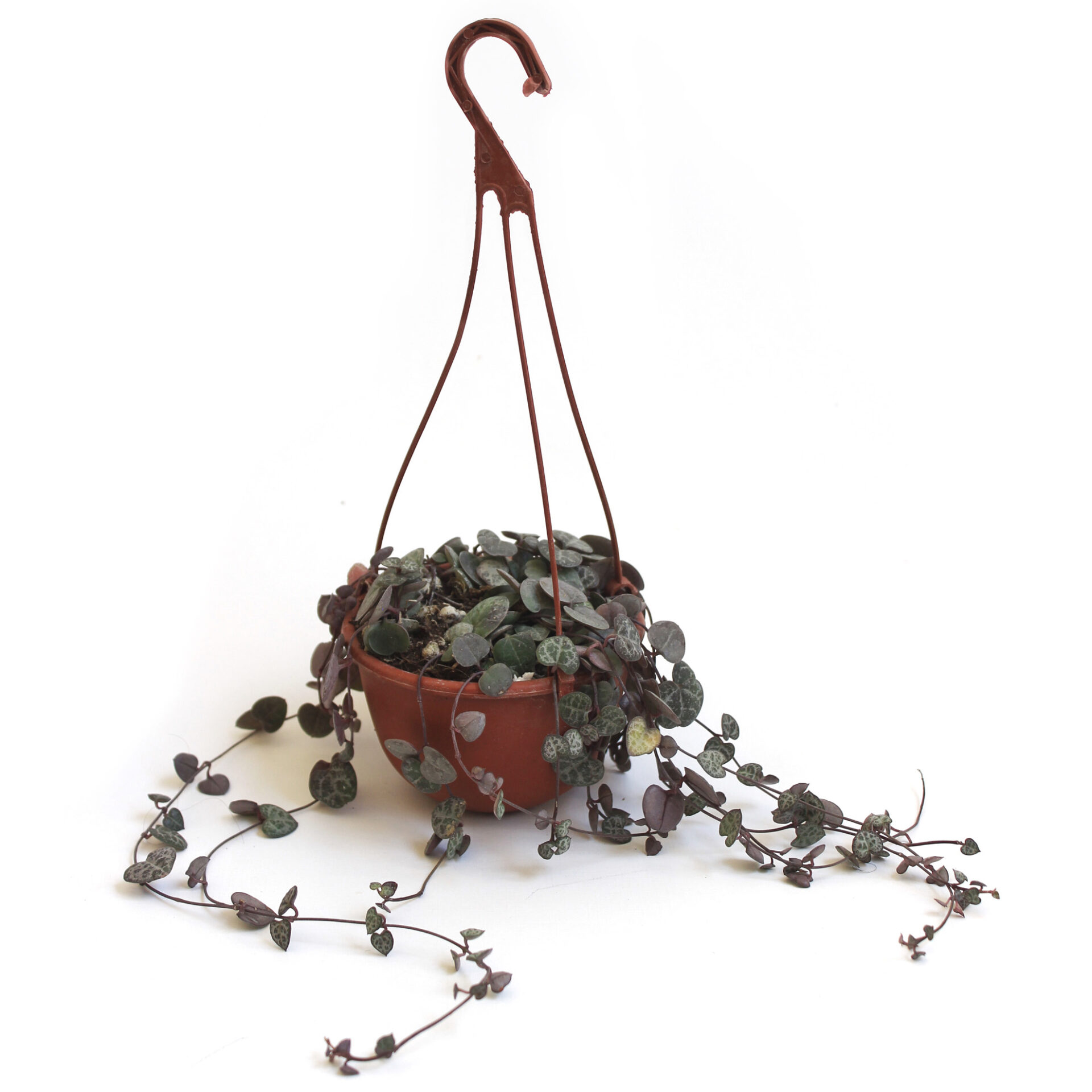
Dischidia Nummularia ‘Ideaminubu’ | Dischidia Dragon JadeA new and rare plant of the Dischidia family characterized by their convexed and , the Dischidia Nummularia Ideaminubu / Dischidia Dragon Jade are typically produced as an ornamental plant due to their leaves shape and bright colour. It was discovered in 2004 by Thumrong Suphachadiwong in Thailand in a commercial greenhouse project.GeneralDischidia Dragon Jade have Orbicular-shaped leaves that look like convex mirrors and are used for decorative purposes. They look pretty similar to their parent plant- Dischidia nummularia. These new varieties produce leaves that are smaller, darker and of a different shape than those of its parent. They can grow up to 3 inches in height. Since they have a , they can grow approximately 2 cm per month.SunlightYour Dischidia Dragon Jade needs for growth. They develop a reddish appearance on their foliage if exposed to two hours of direct sunlight. They cannot tolerate temperatures lower than 32F and are extremely intolerant to the colder climate.WateringYour Dischidia Nummularia Ideaminubu prefers Mesic habitat. Mesic habitats have a well-balanced supply of moisture throughout the growing season, like springs, irrigated fields, and high-elevation habitats. Water your plant daily during their growing season and during the winter season, you can mist the leaves.Soil As they grow on trees in their natural habitat, you should never plant your Dischidia Nummularia in standard potting soil. They require an excellent drainage system. You can use chunks of shredded bark or coconut husks for the potting medium. Orchid potting mix will work as well. If you are growing your String of Nickels in a pot, your container must have a drainage hole.FertilizerYour Dischidia Nummularia Ideaminubu Plant does not require fertilizers regularly, although it can accelerate its growth.Fertilize your Dischidia Dragon Jade by diluting it with water once a month during the spring and summer months.Withhold the use of fertilizers during the cold winters.ToxicityThe stems and leaves of your Dischidia Nummularia plant contain sap that can cause skin irritation if exposed to the skin. They are not toxic when if ingested by pets or humans.Additional Care Watering your plant adequately is essential. If you overwater your plant, the roots will rot, and that can kill your Dischidia Nummularia. Your Dischidia requires misting at least four times a week. If the air is dry in your home, it may require misting every day.TroubleshootingAphids: Aphids are small pests that suck the sap from your plants- You can spray pesticides on your plant to remove them. Lower leaf-loss: It can be due to low light or excessive watering- You can reduce the watering and place your plant under bright indirect light. Powdery Mildew: They destroy your plant's heavy foliage- Remove the affected areas and put your plant in a sunnier place by keeping the leaves dry.