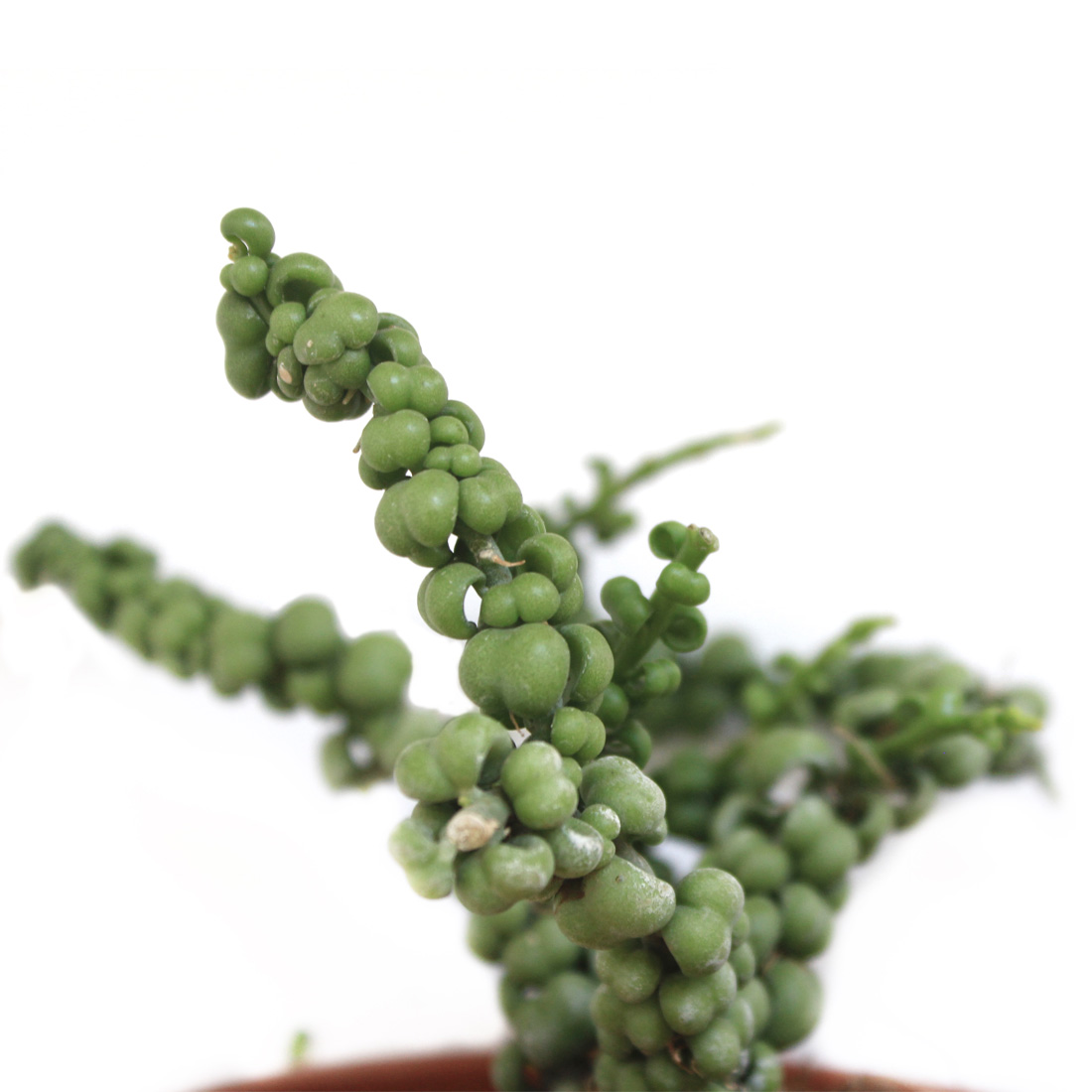
Description Labisia obtusifolia ‘Kura Kura’, often known as the Turtle Back plant os an absolute belter. The leaves develop an extraordinary textured surface that resembles the patterned shell of a turtle, with raised venation creating deep ridges and structure across the foliage. It has an almost prehistoric appearance that feels very different from more familiar tropical houseplants. The striking foliage appears heavily sculpted rather than flat, with dark green tones sitting between raised patterns that create depth and shadow from almost every angle. On larger established plants like these, the effect becomes even more dramatic as the foliage matures and broadens. This is a genuinely uncommon species within cultivation and still considered a rare collector’s plant in the UK. Unlike mass produced foliage plants selected for fast growth, Labisia obtusifolia grows more slowly and develops character gradually over time. The slower pace is part of what makes mature specimens feel so rewarding and distinctive. At around 30cm tall in a 13cm pot, these are already large, impressive examples with established foliage and strong presence. The plant already shows the remarkable texture and form that makes the species so admired amongst collectors of unusual tropical plants. SizePot size approximately 13cmHeight around 30cm A naturally unique plant with variation in leaf texture, venation, colour depth, and overall growth habit Native habitat and growth patternLabisia obtusifolia originates from humid tropical forest environments in Southeast Asia, where it grows low beneath dense rainforest canopy in consistently warm and sheltered conditions. Unlike climbing aroids or sprawling vines, this species remains relatively compact and slow growing, gradually forming a dense cluster of heavily textured foliage close to the forest floor. In its natural habitat, the plant experiences filtered light, constant humidity, rich organic matter, and gentle airflow beneath layers of taller vegetation. The deeply textured leaves are thought to help manage moisture and strengthen the foliage in damp rainforest environments. ‘Kura Kura’, which translates to “turtle” in Indonesian, refers to the remarkable shell like appearance of the leaves. Mature plants become increasingly sculptural with age, developing stronger texture and more pronounced ridging as new growth emerges. Because the plant grows steadily rather than rapidly, larger established specimens like these already represent years of careful cultivation and development. Labisia obtusifolia ‘Kura Kura’ works beautifully in calmer interiors where texture and detail can be appreciated properly. This is not a loud plant that dominates through sheer size. Instead, it draws people in through the unusual surface and structure of the foliage. Because the plant stays relatively compact, it works very well on shelves, sideboards, plant stands, or coffee tables where the foliage can be viewed more closely. It also suits collectors who enjoy plants that feel rare and conversation worthy without needing dramatic height or colour. The heavily textured leaves give the plant an almost sculptural quality that photographs rarely capture fully. Placed near soft natural light, the raised venation becomes even more dramatic as highlights and shadow shift across the foliage throughout the day. Care requirementsLight: Prefers bright, indirect light or softer filtered conditions. Avoid harsh direct sunlight which can stress or scorch the foliage. Water: Keep the soil lightly moist but never waterlogged. Allowing the surface to dry slightly between waterings usually works well. Humidity: Appreciates moderate to higher humidity and benefits from stable indoor conditions away from dry heat sources. Temperature: Prefers warm indoor temperatures and should be protected from cold draughts and sudden temperature changes. Feeding: During spring and summer, occasional feeding supports healthy foliage growth and root development. We recommend our Seaweed Plant Food, designed for leafy tropical houseplants and rare rainforest species. Like many slower growing tropical plants, Labisia obtusifolia responds best to stability and patience rather than overly frequent watering or feeding. Why choose this plantLabisia obtusifolia ‘Kura Kura’ appeals to collectors looking for something genuinely distinctive and less commonly seen. The appeal comes almost entirely from texture and detail rather than flowers or bright colour. At this larger size, the plant already carries strong visual impact while still remaining elegant and manageable indoors. The turtle shell patterning across the leaves gives the foliage an unusually architectural appearance without feeling rigid or artificial. It is also one of those plants that tends to become more interesting the longer you own it. Each new leaf gradually develops more texture and depth, slowly building the mature layered appearance that makes established specimens so admired. For collectors of rare plants this one is for you. Interesting factsThe name ‘Kura Kura’ translates to “turtle” and refers to the shell like texture and patterning across the leaves. Labisia species have historically been used in traditional herbal practices in parts of Southeast Asia, although this plant is now primarily admired as an ornamental collector’s species. The deeply textured foliage helps distinguish Labisia obtusifolia from many smoother leaved tropical understory plants. Because of its slower growth habit, larger established specimens are far less common than younger starter plants. The plant remains relatively uncommon within mainstream UK houseplant cultivation, making mature examples especially sought after amongst collectors. considered non toxic to pets and hunans.